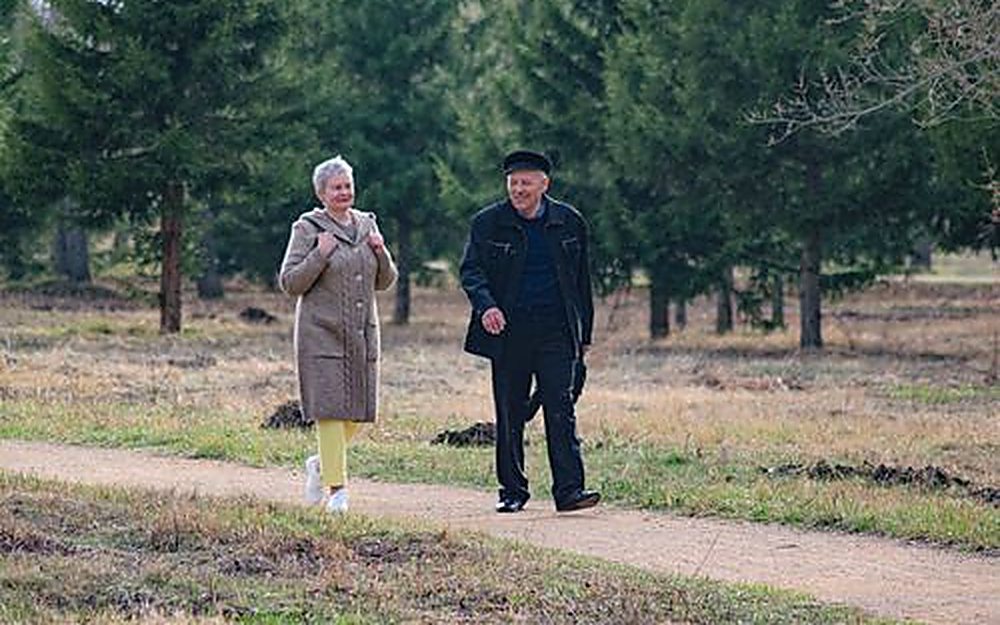
Your heart does not judge you by your best week. It responds to the ordinary ones — the routine mornings, the average dinners, the nights you slept badly and the afternoons you never left your chair.
Heart health has an image problem. It is usually pictured as intense exercise and joyless food. In reality, the habits that protect your heart are unglamorous, repeatable and surprisingly gentle. They are also far more effective than occasional bursts of enthusiasm followed by long gaps of neglect.
Movement Matters More Than Exercise
Your heart cares about total movement across the day, not just about a session with a label on it. Walking after meals, taking stairs, standing during calls, stretching between tasks and carrying your own shopping all count. The most reliable heart habit is simply breaking up long stretches of sitting.
- Walk with intent. A brisk pace where talking is possible but singing is not.
- Move after eating. A short stroll helps your body handle the meal you just enjoyed.
- Add gentle strength work. Muscle supports metabolism, which in turn supports your heart.
- Choose what you enjoy. Enjoyable movement survives busy weeks; punishing routines do not.
Eat in a Way You Could Keep Forever
No single food protects a heart, and no single food ruins one. Patterns matter. Diets built largely around vegetables, fruit, whole grains, pulses, nuts, fish and olive oil consistently support healthy blood pressure and cholesterol — not because any item is magical, but because the overall pattern is kind to your blood vessels.
Three adjustments carry most of the benefit: reduce salt gradually so your palate adapts, cut back on ultra-processed snacks and sugary drinks, and make sure something green appears at most meals. Notice that none of this requires giving up the foods tied to your culture or your celebrations.
Protect Your Sleep Like It Is Medicine
Sleep is when blood pressure dips, inflammation settles and your cardiovascular system genuinely recovers. Short, broken or irregular sleep keeps the body in a low-grade state of alert that your heart eventually pays for. A consistent bedtime, a dark cool room, and a screen-free wind-down do more for heart health than most supplements ever will.
Loud snoring with daytime exhaustion deserves a proper conversation rather than a shrug. Untreated sleep apnoea places real strain on the heart, and it is very treatable once identified.
Take Stress Seriously, Not Dramatically
Stress itself is not the enemy; unrelieved stress is. Constant pressure nudges blood pressure upward and quietly encourages the habits that harm hearts — skipped meals, poor sleep, more alcohol, less movement. You do not need an elaborate wellness routine. You need small, dependable releases: a daily walk outdoors, slow breathing before bed, honest conversations, time away from screens, and one activity that has nothing to do with productivity.
Know Your Numbers Through Your Consultant
Blood pressure, cholesterol and blood sugar are the quiet signals of heart health, and none of them announce themselves. Reviewing them periodically with a consultant — and understanding what they mean for you specifically — turns vague anxiety into a clear, manageable plan.
Do not wait on these: chest pressure or pain, pain spreading to the arm, jaw or back, sudden breathlessness, cold sweats, fainting or an unusually racing heartbeat. These need emergency care immediately, not an appointment later in the week.
Start With One Habit, Not Ten
People who successfully protect their hearts rarely transform everything at once. They pick one habit, let it become automatic, then add another. Perhaps it is a walk after dinner this month. Perhaps it is replacing sugary drinks with water. Perhaps it is finally booking that consultation you have been postponing.
Your heart beats for you without being asked. Small, consistent kindness in return is the most reliable protection there is.